
Isolated soy protein
Non-GMO soy protein isolate with ≥90.0% protein for gel-forming and emulsifying food applications. Supplied in 20 kg bags with an 18-month shelf life.
Browse products
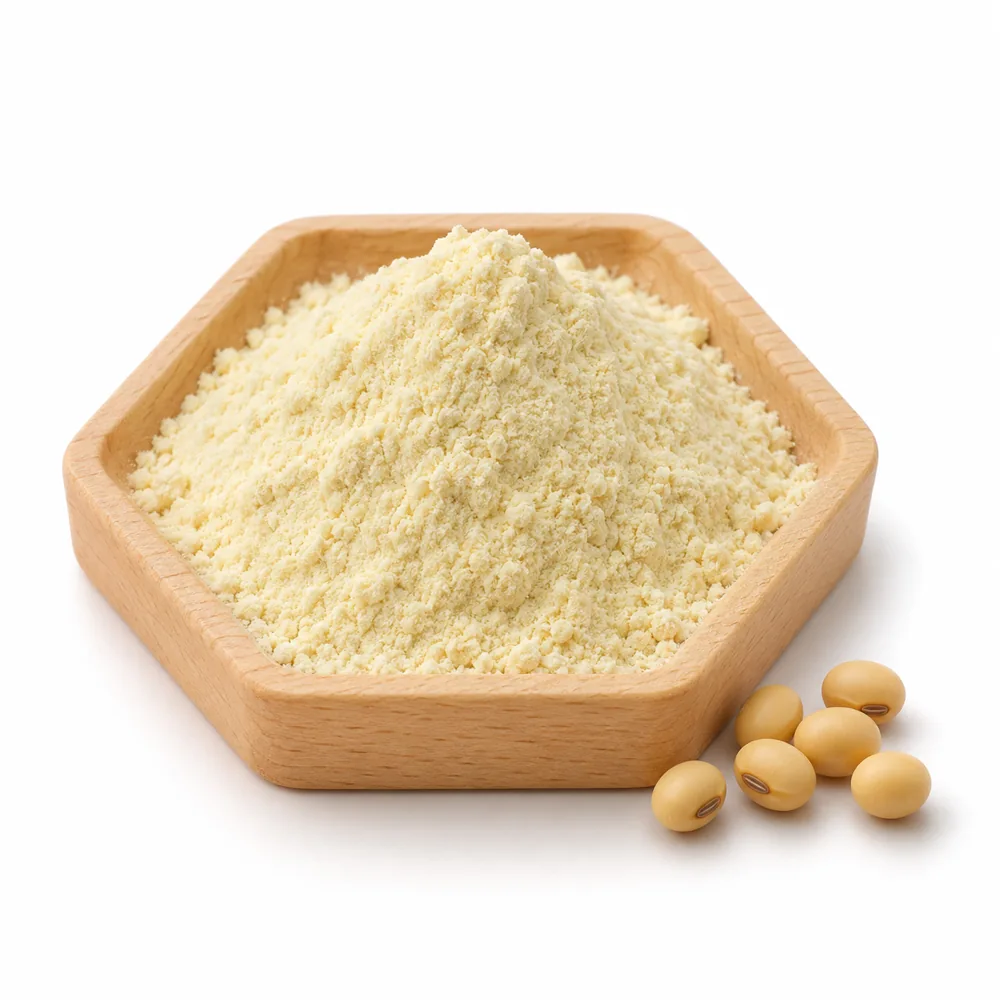
Representative product image. See the grade or model specification.
Isolated soy protein for food formulation
Non-GMO soy flakes
Source
Light yellow or off-white powder
Form
≥90.0%
Protein
6.5–8.5
pH
≤7.0%
Moisture
China
Country of origin
3504.00
HS code (reference)
Contains soy
Allergen
Quality systems
ISO 9001ISO 22000HalalBRCCertificate scope depends on grade and production site. Request the documents for your order.
Overview
Isolated soy protein, also called soy protein isolate or ISP, is made from non-GMO soy flakes by extraction, concentration and separation of non-protein components. Protide supplies this ≥90.0% protein grade in bulk from China for gel-forming and emulsifying food formulations.
Test hydration, gel texture and emulsion stability in your recipe, recording salt, pH, temperature and mixing sequence. Agree the inclusion level and any numerical gel-strength criterion for your process; this grade has no universal values for either.
Compare the separate soybean protein peptide when a hydrolyzed ingredient is required. Other plant-source options include pea protein isolate and fava bean protein. Soy allergen controls and finished-food labeling remain part of formulation approval.
Isolated soy protein specifications
On a small screen, swipe the table to compare all columns. Keyboard users can focus the table and use the arrow keys.
Physical & chemical
Appearance
Light yellow or off-white powder
Flavour / odour
Neutral
Protein (%)
≥90.0
Moisture (%)
≤7.0
pH
6.5–8.5
Microbiology
Total plate count (CFU/g)
≤20,000
Coliform
Negative
Salmonella /25 g
Negative
The listed protein minimum is ≥90.0%. Confirm the protein test method, reporting basis and microbiological criteria in the purchase specification; no dry-basis claim is stated. Use the batch COA for acceptance.
Applications
Emulsified meat products
Check how the isolate incorporates fat and water in sausage trials. Compare emulsion stability and texture through mixing and heat treatment.
Plant-based foods
For plant-based patties and formed foods, compare hydration sequence and inclusion level. Test gel formation, binding and cooked texture in the full recipe.
Prepared foods
Use the isolate in prepared fillings or formed-food trials. Check water distribution, cohesion and texture after cooking, cooling or reheating.
Savoury sauces
Test soy-protein emulsification in savory sauces and fillings. Check dispersion and stability with your oil phase, salt level, pH and processing temperature.
Bakery formulations
Trial non-GMO soy protein isolate in bakery recipes. Check hydration, dough handling and finished crumb or texture at the intended inclusion level.
Dry food blends
For dry food blends hydrated before use, check mixing uniformity and dispersion. Use the agreed analysis and batch COA to calculate the protein declaration.
Why source from Protide
Gel and emulsion trials
Request an ISP sample to check hydration, gel texture and emulsion stability in your recipe. Send the application, process, quantity and destination for a matching quotation.
Combined ingredient orders
Combine Isolated soy protein with other ingredients in one order. We can review specifications, packing and shipping requirements.
Technical and laboratory support
Our technical team can review grade specifications, sample results and processing requirements before your commercial order.
Export & purchasing support
Request the applicable TDS, SDS and batch COA. Confirm packing and delivery requirements for your destination.
Documents
Download the listed TDS and SDS, or request a grade-specific SDS and batch COA.
FAQ
Is isolated soy protein the same as soybean protein peptide?
No. This soy-flake-derived isolate is selected for gel-forming and emulsifying foods. Soybean protein peptide is a separate product with potentially different molecular size, hydration and processing behavior. Compare the matching TDS and samples before substitution. Both products require soy allergen controls.
What is the protein specification for this isolate?
The protein specification is a minimum of 90.0%. Confirm the test method and reporting basis in the agreed purchase specification; the listed minimum does not state a dry-basis value or nitrogen conversion factor. Request the batch COA when reviewing protein declarations for purchasing and finished-food labeling.
How should I evaluate soy protein isolate in an emulsion or gel?
Use the actual formulation and process to compare hydration, fat and water incorporation, gel texture and emulsion stability. Record inclusion level, mixing order, salt, pH and heat treatment. The supplied specification does not give a universal dosage or a numerical gel-strength limit, so sample performance should be agreed for the intended application.
What packing, storage and documents are available?
The product is packed in 20 kg bags with a food-grade PE inner liner and a paper-plastic composite outer bag. Shelf life is 18 months under dry, cool conditions, preferably at no more than 25°C and 65% relative humidity. Download the Protide TDS and SDS, and request the batch COA and applicable quality documents.
Related ingredients
Request a quote
Send the application, required specification, quantity and destination for a quotation, sample evaluation and the matching technical documents.
Discuss pricing, availability and delivery.
Ask about evaluation samples.
Request product-specific technical documents.
Email sales@protidebio.com · WhatsApp +86 180 1740 1164